
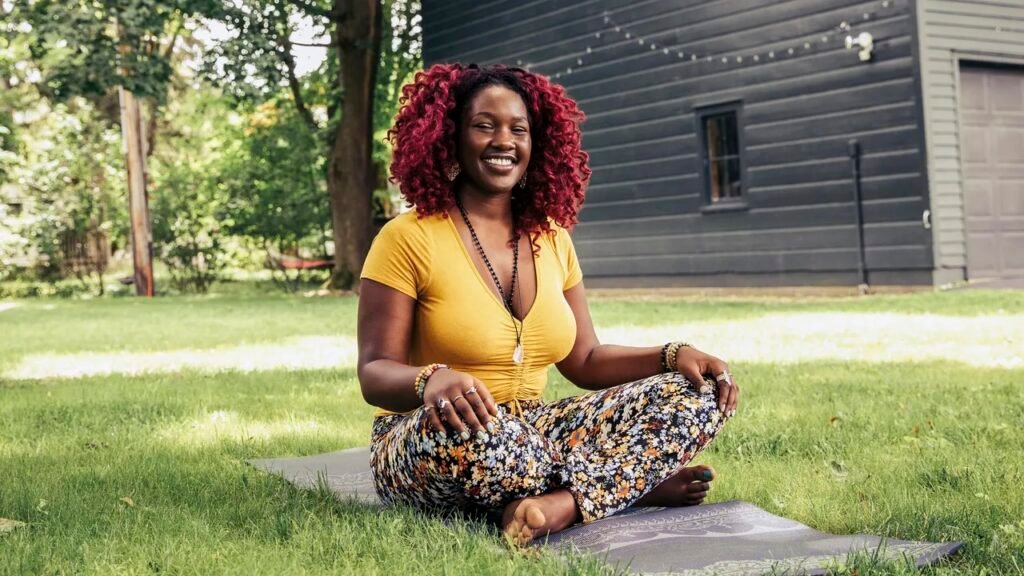
A large portion of modern life involves prolonged periods of sitting. Whether it’s commuting in a car, working long hours at a desk, or unwinding in front of the television, staying seated for extended stretches has significant effects on the body—particularly on the hips. Over time, this sedentary lifestyle can lead to tightness, stiffness, and reduced mobility in one of the most crucial areas for overall movement.
I spoke with Elma Panagaki, a yoga instructor at Bay Club, to understand more about the effects of sitting on hip health and what can be done to counteract these issues. According to Panagaki, sitting affects the muscles surrounding the hips in a very specific way. “When we sit, the muscles at the front of our hips, like the hip flexors, get stuck in a shortened position, and the muscles at the back, like the glutes, pretty much shut off,” she explains. This imbalance leads to restricted movement, making it harder for the hips to function properly when you stand, walk, or exercise.
Tight hips aren’t just an inconvenience—they can cause broader issues throughout the body. Panagaki emphasizes that even mild stiffness can result in discomfort, poor posture, and increase the risk of injury. The hips are central to almost every movement, so when they are limited, other parts of the body have to compensate, which can strain the lower back, knees, and ankles.
Improving hip mobility isn’t just about feeling flexible; it’s about building a balance of stretch and strength that supports healthy movement. “Mobility is all about building both stretch and strength so you can move comfortably and feel great in your body,” says Panagaki. By dedicating just a few minutes to targeted exercises, individuals can restore range of motion, ease tension, and support overall body health.
How to Test Your Hip Mobility
Before starting any mobility routine, it’s helpful to understand where your hips may be restricted. One simple method is the hip hinge test. Stand with feet hip-width apart and gently bend forward at the hips while keeping your spine neutral. Notice whether your movement comes from your hips or your lower back. If your back rounds excessively or you feel stiffness in the hip area, it’s a clear indication that mobility work is needed. Another useful test is lying on your back and pulling one knee toward your chest while keeping the other leg flat. Difficulty in keeping the extended leg down signals tightness in the hip flexors or lower back muscles.
Exercises to Improve Hip Mobility
Panagaki recommends spending just one to two minutes on each exercise to make a noticeable difference. Consistency is key, and even a short daily routine can reduce stiffness over time. Here are some effective exercises:
Hip Flexor Stretch Begin in a lunge position with one foot forward and the other leg extended back. Gently press your hips forward, feeling a stretch along the front of the rear leg. Hold for 30–60 seconds on each side to release tight hip flexors. Figure-Four Stretch Lie on your back with one ankle crossed over the opposite knee. Pull the uncrossed leg toward your chest until you feel a stretch in the glutes and outer hip of the crossed leg. This helps activate and release tight glutes. Seated Hip Rotations Sit on the edge of a chair with feet flat. Place one ankle over the opposite knee and gently press down on the crossed knee. This stretch improves rotation and mobility in the hip joint. Glute Bridges Lie on your back with knees bent and feet flat on the floor. Lift your hips toward the ceiling, squeezing the glutes at the top, then lower down. This strengthens the glutes and counteracts the shutting-off effect caused by prolonged sitting. Dynamic Lunges Step forward into a lunge and gently twist your torso toward the front leg. Return to standing and repeat on the other side. Dynamic lunges combine mobility and strength, enhancing hip flexibility while promoting functional movement.
Benefits Beyond Flexibility
Regularly practicing hip mobility exercises goes far beyond easing stiffness. Improved hip mobility can enhance posture, reduce lower back pain, and decrease the likelihood of injuries in everyday activities and workouts. Flexible hips also allow for more efficient movement, making running, squatting, and other functional movements easier and more effective.
Even minor attention to hip health can have ripple effects throughout the body. By incorporating short, consistent routines into your daily schedule, it’s possible to reverse some of the negative consequences of a sedentary lifestyle. Whether it’s stretching at your desk, performing a few exercises before bed, or adding mobility work to your workout routine, the benefits of improving hip mobility are significant and long-lasting.
Investing a few minutes each day to care for your hips is an investment in overall comfort, mobility, and long-term physical health. With consistent practice, tight hips can become a thing of the past, and your body will move more freely, feel stronger, and be less prone to injury.