Author name: Kritika Rawat

Lifestyle Changes Outlast Medication in Preventing Type 2 Diabetes

In the early 2000s, the U.S. Diabetes Prevention Program (DPP), a large randomized clinical trial, revealed that intensive lifestyle modification was more effective than the diabetes medication metformin at preventing at-risk patients from developing Type 2 diabetes. A recent follow-up study has now shown that the health benefits from lifestyle intervention can last for more than 20 years. The study, published in The Lancet Diabetes & Endocrinology, was led by a team including Vallabh “Raj” Shah, professor emeritus in the Departments of Internal Medicine and Biochemistry & Molecular Biology at The University of New Mexico School of Medicine. Shah noted that the most significant improvements occurred in the first few years of the study and remained durable over time. “The data suggests that those people who didn’t get diabetes initially also didn’t develop it after 22 years,” he said. The DPP, launched in 1996, aimed to compare the benefits of metformin—then newly approved by the FDA—with a structured lifestyle modification program focusing on exercise, healthy eating, and moderate weight loss. The trial enrolled 3,234 patients with prediabetes across 30 institutions in 22 states. Results showed that the intensive lifestyle intervention reduced diabetes development by 24%, while metformin achieved a 17% reduction. Early findings during the first three years of the study had already demonstrated that lifestyle changes lowered the onset of Type 2 diabetes by 58% compared with a placebo, whereas metformin reduced it by 31%. Compared with the original placebo group, participants in the lifestyle intervention experienced an additional three-and-a-half years without diabetes, while the metformin group gained two-and-a-half extra years. Shah highlighted, “Within three years, they had to stop the study because lifestyle was better than metformin. That means lifestyle, which everybody is banking on, is more effective—that is the news.” Following the initial trial, the DPP was extended into the DPP Outcomes Study (DPPOS), allowing researchers to track participants’ health outcomes across decades. This long-term study provided valuable insights into how sustained lifestyle changes can prevent or delay the onset of Type 2 diabetes and improve overall health. The findings reinforce the power of daily lifestyle choices, such as maintaining moderate weight, exercising regularly, and following a balanced diet. For those with prediabetes, this study emphasizes that consistent, healthy habits can have lifelong benefits, often surpassing what medication alone can achieve.

Lifestyle Changes Outlast Medication in Preventing Type 2 Diabetes Read More »

Palghar Police Organizes Cyclothon to Promote Fitness and Healthy Living

In a remarkable initiative aimed at promoting fitness and encouraging a healthy lifestyle, the Palghar Police successfully organized a Cyclothon on Sunday under the theme “Fitness ki Dose – Aadha Ghanta Roz”. This campaign is part of a nationwide effort guided by the Sports Department of the Government of India, emphasizing the importance of daily physical activity for overall well-being. The event commenced at 7 a.m. from the Palghar Superintendent of Police’s office, led by Superintendent of Police (SP) Yatish Deshmukh and Additional Superintendent of Police (ASP) Vinayak Narale. Citizens and police personnel alike gathered enthusiastically to participate, reflecting the growing interest in fitness-driven initiatives. The Cyclothon featured two routes catering to different fitness levels: 10 km Route: SP Office – Char Rasta – Railway Station – Mahim Junction – back to SP Office 25 km Route: SP Office – Char Rasta – Mahim Railway Station – Police Outpost – Mangalam Resort, Mahim – back to SP Office The event witnessed an overwhelming participation of 255 individuals, including police officers, personnel, and fitness enthusiasts from across the district. Leaders like SP Deshmukh, ASP Narale, and District Sports Officer Suhas Vhanmane also joined the ride, setting an inspiring example for citizens and demonstrating that fitness is a priority for everyone, irrespective of professional responsibilities. Participants expressed excitement and motivation, highlighting the positive impact of community-focused fitness events. The Cyclothon not only encouraged cycling as a fun and healthy activity but also strengthened community engagement, showcasing the police department’s commitment to public welfare beyond law enforcement. By organizing such events, Palghar Police is sending a strong message about the importance of integrating regular exercise into daily routines. Initiatives like “Fitness ki Dose – Aadha Ghanta Roz” are paving the way for healthier communities, reminding citizens that a small investment in physical activity can lead to significant long-term benefits. The success of this Cyclothon has set a benchmark for future fitness-oriented events in the region, inspiring more citizens to adopt cycling, maintain regular exercise habits, and prioritize a lifestyle centered around health and wellness. SEO Title: Palghar Police Cyclothon Promotes Fitness Awareness with 255 Participants Meta Description: Palghar Police organized a successful Cyclothon under “Fitness ki Dose – Aadha Ghanta Roz” encouraging citizens and officers to embrace daily fitness. Nari X

Palghar Police Organizes Cyclothon to Promote Fitness and Healthy Living Read More »

Emraan Hashmi Shares His Two-Year-Long Diet and Blood Sugar-Friendly Tips

Bollywood actor Emraan Hashmi, known for his roles in films like Murder, has revealed that he has been following the same diet for the past couple of years. During a candid interview with YouTuber Janice Sequeira, Hashmi opened up about the meals he eats daily and the reasons behind his consistent eating routine. Emraan’s Daily Diet Hashmi begins his day with a hearty plate of salad, followed by chicken keema, which he prefers because it’s easy to digest. “I can’t have regular chicken,” he explained, adding that he doesn’t enjoy the texture or mouthfeel of chicken pieces. He also includes a bowl of mashed boiled sweet potato to complete his meal. “This particular diet I have been following for 2 years now,” he told Sequeira. Hashmi explained that his cook prepares meals in bulk for the week, which are then divided and consumed throughout the day. On a lighter note, when asked if his family finds it challenging, he joked, “My wife is thinking of leaving me.” Why Hashmi’s Diet Is Beneficial Health experts emphasize that Hashmi’s approach has multiple health benefits, especially for those monitoring blood sugar levels. Eating a bowl of raw salad before consuming carbohydrates is not only a healthy habit but also a smart blood sugar management strategy. Raw salads, rich in dietary fiber, slow down glucose absorption, preventing sudden spikes in blood sugar after meals. Ideal ingredients for salads include: Cucumber Tomatoes Carrots Bell peppers Leafy greens like spinach or lettuce Including salads before the main meal can help diabetics and those conscious of their sugar levels maintain stable glucose levels while providing essential nutrients and hydration. Simple, Sustainable Eating Habits Emraan Hashmi’s diet highlights the power of consistency and simplicity in maintaining health. By combining fiber-rich salads with lean protein and nutrient-dense carbohydrates like sweet potatoes, he has created a meal routine that is easy to follow, supports digestion, and helps manage blood sugar. His approach also demonstrates that a well-structured diet doesn’t need to be complicated. With careful planning and bulk preparation, anyone can adopt a sustainable eating habit that supports long-term health and wellness. In essence, Hashmi’s routine is a practical reminder that healthy eating, portion control, and thoughtful meal sequencing can have a meaningful impact on overall well-being.

Emraan Hashmi Shares His Two-Year-Long Diet and Blood Sugar-Friendly Tips Read More »

Type 2 Diabetes May Fuel Aggressive Breast Cancer, New Study Warns

Breast cancer remains one of the most prevalent cancers worldwide, with aggressive forms such as triple-negative breast cancer increasingly affecting women under 40, according to the American Cancer Society. Now, a groundbreaking study reveals that Type 2 Diabetes, a rapidly growing lifestyle disease, may worsen breast cancer outcomes by altering the body’s immune response. How Diabetes Impacts Tumor Growth Researchers from Boston University’s Chobanian & Avedisian School of Medicine have discovered a crucial link between Type 2 Diabetes and accelerated breast cancer progression. Their study explains how the metabolic disorder affects tiny blood particles called exosomes, which communicate with immune cells within tumors. In patients with Type 2 Diabetes, exosomes are altered in a way that reprograms immune cells, weakening the body’s natural defenses. This impaired immune response allows tumors to grow and spread more rapidly, making treatment more challenging. The findings, published in Springer Nature, represent the first study to directly connect exosomes from diabetic patients to suppressed immune activity in human breast

Type 2 Diabetes May Fuel Aggressive Breast Cancer, New Study Warns Read More »

Hyderabad to Host International Conference on Liver Health and Transplants

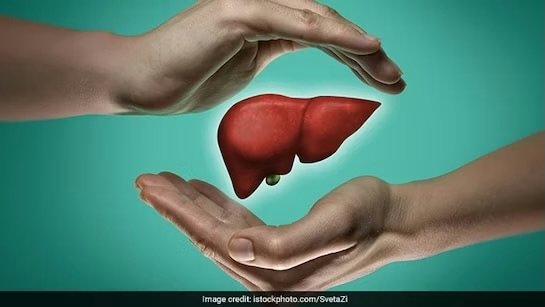
Hyderabad is set to host a significant two-day international conference on August 30 and 31, focusing on one of the body’s most vital yet often overlooked organs – the liver. With over 500 essential functions, including detoxification, metabolism, and nutrient storage, the liver is critical to overall health. Yet, rising lifestyle-related illnesses have placed it at increasing risk, prompting global experts to converge in India to discuss groundbreaking advancements in liver care and transplantation. Rising Concerns Over Liver Diseases India is witnessing an alarming surge in liver-related illnesses, driven by poor diets, sedentary lifestyles, and alcohol use. Among these conditions, Non-Alcoholic Fatty Liver Disease (NAFLD) has emerged as a silent epidemic, affecting young adults at unprecedented rates. NAFLD occurs when fat accumulates in the liver despite little or no alcohol consumption. If untreated, it can progress to Non-Alcoholic Steatohepatitis (NASH), a severe form of liver inflammation that may lead to fibrosis, cirrhosis, and even liver cancer. Experts warn that early detection is crucial to prevent irreversible damage. Spotlight on Liver Transplant Innovations One of the major highlights of the conference will be liver transplantation, a life-saving procedure that has seen remarkable medical advancements in recent years. Pioneering surgeons and transplant specialists will present new protocols and success stories, showcasing how modern techniques are redefining surgical outcomes. Topics will include: Advanced surgical strategies for complex transplant cases. Managing patients with high-risk conditions such as kidney dysfunction, heart disease, or chronic infections. Innovations in donor-recipient matching, including blood group mismatches and improved compatibility techniques. Tumor resections and cutting-edge approaches to handling liver cancers and other complications. Multidisciplinary Approaches to Better Care The conference aims to promote a collaborative approach, bringing together hepatologists, transplant surgeons, general practitioners, and medical researchers. Sessions will focus not only on high-end surgical procedures but also on early diagnosis and preventive care, empowering doctors at all levels to recognise warning signs and intervene before conditions become critical. Impact Beyond Major Medical Centers While urban hospitals are equipped with advanced facilities, a significant number of patients in India live in smaller towns and rural areas where awareness and resources are limited. Insights from this conference are expected to guide general practitioners and smaller healthcare setups, improving referral systems and ensuring patients receive timely specialist care. Building a Future of Better Liver Health By combining expertise from across the globe, the Hyderabad conference will address the growing burden of liver disease, encourage preventive care, and explore the future of transplantation. With the number of NAFLD and NASH cases rising sharply, such initiatives are crucial in preventing what experts warn could become a full-blown public health crisis. The event underscores a critical message: protecting liver health requires awareness, early intervention, and innovation—a mission that this international conference aims to advance in India and beyond.

Hyderabad to Host International Conference on Liver Health and Transplants Read More »

The Hidden Dangers of Late-Night Snacking: Why Timing Matters More Than You Think

Snacking is often seen as a harmless way to curb hunger between meals. Many of us reach for a handful of nuts, a piece of fruit, or even a protein bar thinking it’s a healthy choice. But did you know that the time of day you snack can be just as important as what you eat? According to Professor Sarah Berry, a leading expert in nutritional sciences at King’s College London and chief scientist at ZOE, late-night snacking poses serious health risks—even if the food is considered healthy. Why Late-Night Snacking Is Risky Professor Berry highlights that around 30% of people snack after 9 PM, a habit that can lead to unfavourable health outcomes. Research shows that eating late at night is linked to: Adiposity (belly fat accumulation) – Late-night snacks are more likely to be stored as fat, particularly around the abdominal area. Higher inflammation levels – Nighttime eating disrupts the body’s natural repair processes, contributing to chronic inflammation. Poor lipid and cholesterol levels – Metabolism slows in the evening, making it harder for the body to process fats efficiently. Healthy Snacks Are Not an Exception Surprisingly, even so-called “healthy snacks” aren’t safe when consumed late at night. Professor Berry explains that the body’s ability to metabolise food changes depending on the time of day, meaning late-night eating can still have a negative effect regardless of what is eaten. The Role of Chrono Nutrition A growing field known as chrono nutrition focuses on the timing of meals and its impact on metabolism. Every cell in the body follows a natural rhythm, often referred to as the body clock. Eating in sync with this clock helps optimise digestion, energy use, and nutrient absorption. When we eat outside of these natural cycles—like late at night—the body processes food differently, leading to potential long-term health issues. When Is the Best Time to Snack? Mid-morning or afternoon – Ideal times to curb hunger without disrupting metabolism. Evening snacks – Should be light and consumed at least two to three hours before bedtime. After 9 PM – Best to avoid completely for optimal metabolic health. Late-night snacking may seem harmless, but research shows it could quietly contribute to weight gain, poor cholesterol levels, and higher inflammation. While healthy eating is important, eating at the right time is equally critical for maintaining long-term health.

The Hidden Dangers of Late-Night Snacking: Why Timing Matters More Than You Think Read More »

Former Marine Brings Community Spirit to Zanesville with Arc Reactor Fitness

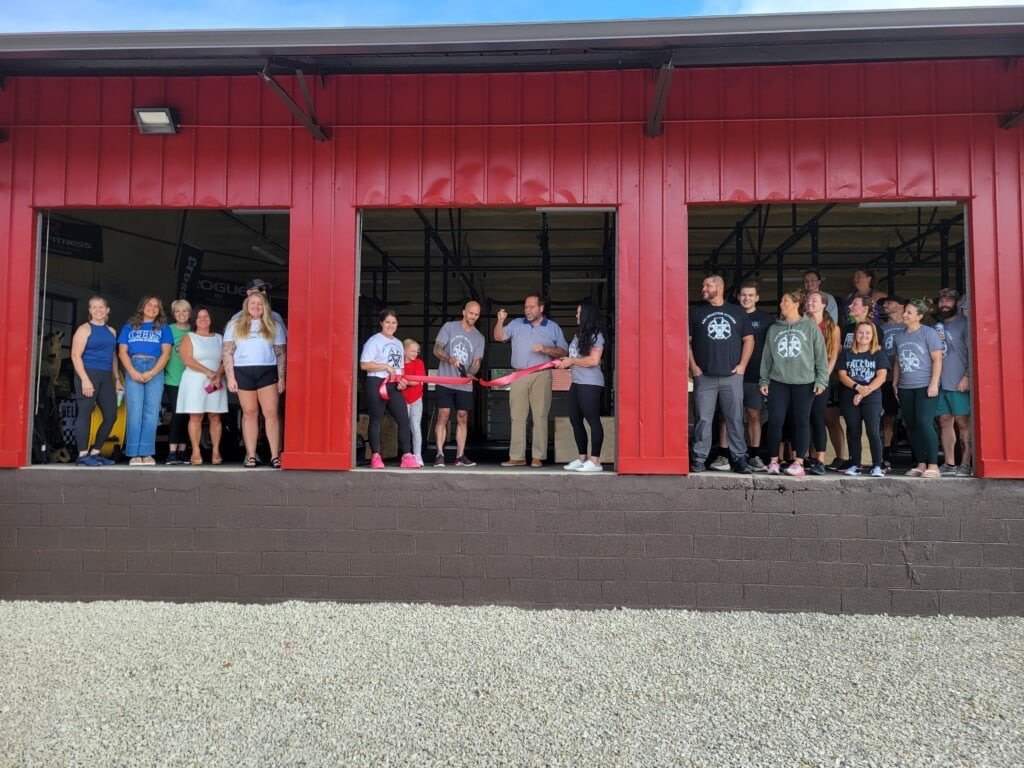
ZANESVILLE, Ohio – A new wave of fitness culture has arrived in Zanesville, thanks to former Marine Kendall Kane, who has officially opened Arc Reactor Fitness on Grove Avenue. More than just a gym, this new CrossFit space focuses on building a supportive community where members push each other to grow stronger—physically and mentally. A Veteran’s Vision Becomes Reality For Kendall Kane, fitness has always been a passion. After serving as a Marine, he turned his dedication, discipline, and drive toward creating a place where people could train together and uplift one another. “Arc Reactor Fitness has been a lifelong dream,” Kane said. “Being able to give back to my local community and continue to serve is something I’m very proud of and happy to do.” The gym had a soft opening in July but officially marked its grand opening with a ribbon-cutting ceremony that drew members, trainers, and supporters from across Zanesville. A Gym Built on Encouragement Unlike traditional gyms where members often work out alone, Arc Reactor Fitness thrives on shared motivation. Kane explained the unique approach: “We strive to get better together so no one’s in here just for themselves. They’re in here to help everybody else get better too. If I see you struggling through a workout, I might stop what I’m doing and work out alongside you. In bigger classes, you’ll have people cheering you on until you finish.” This philosophy has already created a strong sense of camaraderie, turning workouts into shared challenges and victories. Rapid Growth and Strong Support Despite being a new addition to the local fitness scene, Arc Reactor Fitness has already gained around 130 members and features three professional trainers—Kane included. The response has been overwhelmingly positive, with members embracing the gym’s community-driven approach. Kane reflects on the journey with gratitude: “Seeing it flourish this quickly, for me, it’s been really cool and I’m very grateful for it.” More Than a Gym – A Community Movement Arc Reactor Fitness stands as an example of how fitness can be more than physical training—it can be about building relationships, strengthening mental resilience, and fostering a sense of belonging. With a Marine’s discipline and a trainer’s dedication, Kendall Kane has created a space where Zanesville residents can challenge themselves and support each other every step of the way. This is more than a gym opening—it’s the start of a fitness movement rooted in community spirit.

Former Marine Brings Community Spirit to Zanesville with Arc Reactor Fitness Read More »

Shopping Cart