BLOGS

What Is Moisture-Wicking and Why It Matters in Performance Gear

Moisture-wicking has become one of the most popular terms in the world of fitness apparel. From Vuori to Under Armour, nearly every major performance gear brand highlights this feature in their clothing. But what does it actually mean, and why is it so important for athletes and fitness enthusiasts? Understanding Moisture-Wicking Fabric Moisture-wicking fabric is designed to pull sweat away from your skin and spread it across the outer surface of the garment, where it can evaporate quickly. Unlike regular cotton, which tends to absorb moisture and stay wet, these fabrics transport moisture through capillary action and specialized fiber structures. Kerry Ryan, fashion designer and adjunct associate professor at Pratt Institute, explains it well: “Instead of soaking in like a sponge, the fibers act like tiny water slides, moving moisture along and helping you stay dry.” This keeps your body cooler and more comfortable during intense workouts, long runs, or high-performance sports. Why It Matters for Athletes and Fitness Enthusiasts Bert Mandelbaum, MD, sports medicine specialist and co-director of the Regenerative Orthobiologic Center at Cedars-Sinai Orthopaedics in Los Angeles, notes that moisture-wicking gear can help athletes push harder without overheating. While it won’t transform you into a world-class athlete, it does provide a noticeable difference in comfort and performance. Key Benefits Keeps You Dry – Sweat is drawn away from the skin for faster evaporation. Reduces Chafing – Dry fabric minimizes friction during movement. Helps Maintain Body Temperature – Evaporation cools the skin and prevents overheating. Enhances Comfort – Lightweight and breathable design keeps workouts enjoyable. How to Identify Real Moisture-Wicking Gear Not all fabrics labeled as moisture-wicking perform at the same level. Some products may claim the feature as a marketing tactic without offering true performance benefits. When shopping for activewear, consider the following: Fabric Composition Look for synthetic fibers such as polyester, nylon, or blends designed for athletic performance. Avoid 100% cotton for intense workouts, as it absorbs and retains moisture. Weave and Finish A tightly woven, lightweight, and smooth fabric is ideal. Some high-performance gear uses a dual-layer system—one layer pulls sweat from the skin while the outer layer disperses it for evaporation. Quick-Dry Capability True moisture-wicking fabrics dry rapidly after absorbing moisture, ensuring long-lasting comfort during workouts. Where You’ll Find It Moisture-wicking technology is common in: Workout shirts and tanks Running shorts and leggings Sports bras and compression gear Hiking apparel and outdoor gear High-quality brands often highlight this feature prominently in product descriptions because it sets their gear apart from standard fabrics. Performance apparel has evolved beyond style—it’s now about comfort, function, and helping athletes achieve peak performance. Moisture-wicking fabric plays a vital role in this evolution by keeping wearers dry, cool, and focused on their training rather than the discomfort of sweat-soaked clothing.

What Is Moisture-Wicking and Why It Matters in Performance Gear Read More »
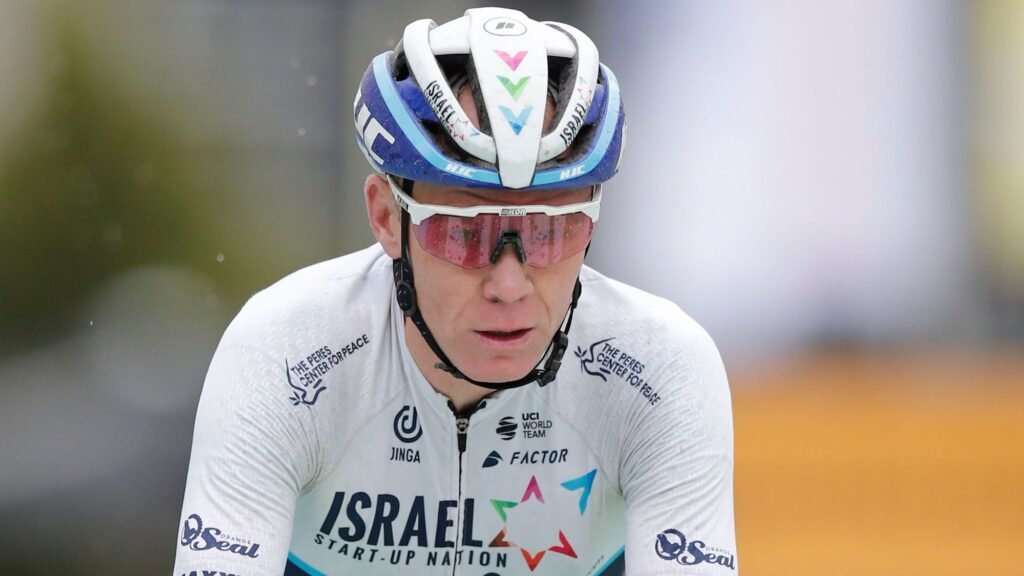
Chris Froome Suffers Severe Injuries in Training Accident

Four-time Tour de France champion Chris Froome has sustained serious injuries following a training crash that required him to be airlifted to hospital. Medical examinations confirmed that the cyclist escaped head trauma but suffered a lower back fracture, a collapsed lung, and five broken ribs. The incident has once again placed his career and future in professional cycling under intense scrutiny. Details of the Crash and Medical Condition The accident occurred during a high-intensity training ride, where Froome was reportedly preparing for upcoming competitive commitments. The crash caused significant impact injuries, leading to multiple fractures and internal damage. Despite the severity, medical professionals confirmed that his head was not injured, which significantly reduces the risk of long-term neurological complications. A collapsed lung is particularly concerning in endurance athletes, as it directly affects breathing capacity and oxygen supply, which are vital for professional cyclists. Rib fractures and spinal injuries further complicate recovery, as they limit mobility and cause extreme pain during even minimal movement. Medical Insight on Recovery Sports injury specialists note that recovery from such injuries requires a phased approach. The initial stage will focus on stabilizing his lung and ensuring proper alignment of the fractured ribs. Pain management is critical, as rib injuries can impair normal breathing and lead to secondary complications such as pneumonia. The lower back fracture poses another challenge. Spinal injuries require slow, controlled rehabilitation to avoid long-term impairment or chronic pain. Elite athletes like Froome often undergo customized physiotherapy and hydrotherapy programs to accelerate recovery, but even with advanced treatment, complete healing may take months. Froome’s Career and Legacy Chris Froome’s career is a story of extraordinary endurance, discipline, and determination. With four Tour de France titles to his name (2013, 2015, 2016, 2017), he has established himself as one of the sport’s modern legends. Known for his climbing ability, time-trial performances, and tactical acumen, Froome has been a defining figure in professional cycling for over a decade. This incident is not the first major injury of his career. In 2019, Froome endured a life-threatening crash that left him with multiple fractures, including a fractured femur, elbow, and ribs. His remarkable recovery from that accident and eventual return to competitive cycling showcased his determination and physical resilience, earning admiration across the sporting world. Impact on Current Season and Future Races The timing of this injury raises questions about Froome’s participation in major races scheduled for later in the year. Recovery timelines for rib fractures typically range from six to eight weeks, but spinal injuries can extend the process considerably. Given the severity of the collapsed lung and the need for gradual rehabilitation, it is uncertain whether Froome will be fit to return to competitive racing this season. Team management and medical staff are likely to prioritize long-term health over immediate competition, ensuring Froome’s full recovery before discussing his return to racing. The upcoming months will be critical in assessing his ability to sustain the physical demands of elite cycling once again. Reactions from the Cycling Community The cycling community has responded with an outpouring of support for Froome. Fellow riders, sports organizations, and fans have shared messages of encouragement on social media, praising his strength and resilience. Many have drawn parallels to his previous comeback, expressing confidence that he can overcome this setback and return stronger. Former teammates and rivals have highlighted Froome’s work ethic and competitive spirit, calling him one of the toughest athletes in the sport. These sentiments reflect the respect he commands, not only for his achievements but also for his ability to face adversity with determination. Physical and Mental Challenges of Recovery Recovering from multiple fractures and internal injuries is as much a mental battle as it is a physical one. Athletes of Froome’s caliber often undergo psychological counseling alongside medical treatment to maintain motivation and focus during long recovery periods. Returning to competitive form requires not just physical healing but also rebuilding confidence in the body’s ability to endure the intense demands of professional cycling. Hydration therapy, controlled nutrition, and progressive training are expected to be part of his rehabilitation protocol. However, specialists caution that pushing the body too quickly could lead to setbacks, making patience and discipline essential to a successful recovery. Lessons from Froome’s Journey Froome’s history of comebacks provides valuable insights into the mindset of elite athletes. His recovery from the 2019 crash was seen as nearly impossible by many experts, yet he proved his critics wrong through perseverance and dedication. This latest incident will test his resilience once again, potentially cementing his legacy as one of the toughest competitors in cycling history. Fans and young cyclists can draw inspiration from Froome’s commitment to overcoming obstacles. His journey reflects the reality of professional sports, where victories are not only measured by titles but also by the ability to fight through adversity. Future Outlook While the full timeline for Froome’s return remains unclear, his team is expected to release updates as his recovery progresses. The focus will be on ensuring proper healing before introducing light training routines, followed by gradual increases in intensity. Given his past record of successful rehabilitation, there is optimism that he will eventually return to competition, though it may take several months. For now, the cycling world will closely monitor his progress, hoping to see one of its greatest champions back on the road. Regardless of the outcome, Froome’s courage and determination continue to inspire athletes and fans alike.

Chris Froome Suffers Severe Injuries in Training Accident Read More »

Shopping Cart