Fitness

Gemma Atkinson Shares Her Early Morning Fitness Routine for Peak Energy and Discipline

Balancing a thriving career, family life, and personal wellness is no small feat, but Gemma Atkinson makes it look effortless. When she’s not parenting her two children, six-year-old Mia and two-year-old Thiago, she’s busy hosting on Hits Radio, running her health and beauty brand Gem & Tonic, and co-hosting the Women’s Health podcast “Just As Well” with Editor-in-Chief Claire Sanderson. With such a packed schedule, Gemma relies on one key principle to stay fit: efficiency. Why Early Morning Workouts Work for Gemma For Gemma, the only way to guarantee her workouts happen is to get them done before the day officially begins. “I need to be in and out before the kids wake up,” she says. “So it’s back to 4.30am wake-ups and 5am sessions. But in just four days, my body adjusted, and this morning I actually woke up naturally two minutes before my alarm.” This level of commitment might sound intense, but for Gemma, it’s the only way to fit in consistent training while managing her many responsibilities. The Power of Routine and Discipline Gemma admits that training later in the day simply doesn’t work for her. “I don’t like training past 11am. I can’t focus, and I’m chasing my tail with everything else I have to do. I have much more energy and time for everything else if I’ve moved in the morning. I’m a sucker for routine, so it’s perfect both mentally and physically.” Her focus on discipline over motivation reflects an athlete’s mindset. She acknowledges that some mornings, especially during dark winter months, getting up isn’t easy. Yet, she emphasizes that progress only comes when you push past the mental resistance. Why Morning Workouts Boost Productivity and Well-Being Training early doesn’t just benefit Gemma’s fitness—it improves her entire day. By getting her workout done first thing, she experiences: Increased energy levels for work and parenting. Improved mental focus for her demanding schedule. A sense of accomplishment before the day has even started. Stronger discipline, which translates into other areas of her life. “In order to grow and feel my best, I have to have discipline,” Gemma explains. “Because motivation isn’t always there. You have to get past that voice in your head and get it done. It’s the only way you’ll make progress—and it’s always worth it.” A Lesson in Consistency and Self-Care Gemma Atkinson’s approach to fitness is a reminder that success isn’t about finding more hours in the day—it’s about making the hours you have count. By prioritizing health first thing in the morning, she ensures that her demanding life doesn’t derail her personal well-being. Her story proves that with structure, routine, and determination, it’s possible to balance career, family, and fitness—while staying strong both physically and mentally.

Gemma Atkinson Shares Her Early Morning Fitness Routine for Peak Energy and Discipline Read More »

Former Marine Brings Community Spirit to Zanesville with Arc Reactor Fitness

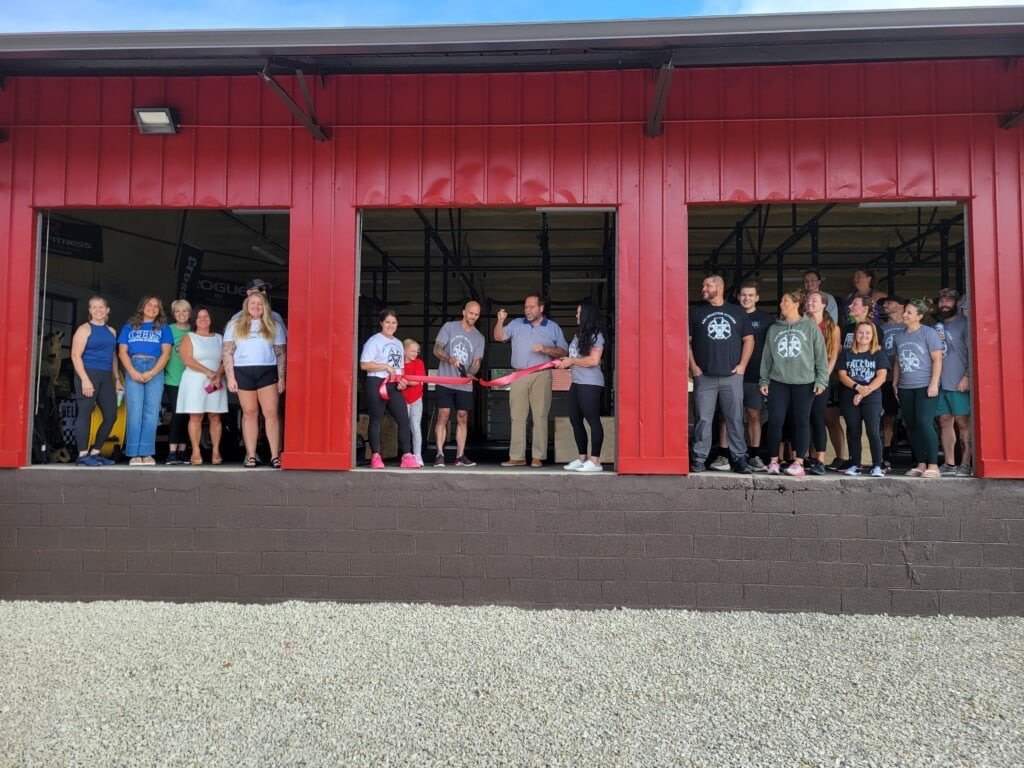
ZANESVILLE, Ohio – A new wave of fitness culture has arrived in Zanesville, thanks to former Marine Kendall Kane, who has officially opened Arc Reactor Fitness on Grove Avenue. More than just a gym, this new CrossFit space focuses on building a supportive community where members push each other to grow stronger—physically and mentally. A Veteran’s Vision Becomes Reality For Kendall Kane, fitness has always been a passion. After serving as a Marine, he turned his dedication, discipline, and drive toward creating a place where people could train together and uplift one another. “Arc Reactor Fitness has been a lifelong dream,” Kane said. “Being able to give back to my local community and continue to serve is something I’m very proud of and happy to do.” The gym had a soft opening in July but officially marked its grand opening with a ribbon-cutting ceremony that drew members, trainers, and supporters from across Zanesville. A Gym Built on Encouragement Unlike traditional gyms where members often work out alone, Arc Reactor Fitness thrives on shared motivation. Kane explained the unique approach: “We strive to get better together so no one’s in here just for themselves. They’re in here to help everybody else get better too. If I see you struggling through a workout, I might stop what I’m doing and work out alongside you. In bigger classes, you’ll have people cheering you on until you finish.” This philosophy has already created a strong sense of camaraderie, turning workouts into shared challenges and victories. Rapid Growth and Strong Support Despite being a new addition to the local fitness scene, Arc Reactor Fitness has already gained around 130 members and features three professional trainers—Kane included. The response has been overwhelmingly positive, with members embracing the gym’s community-driven approach. Kane reflects on the journey with gratitude: “Seeing it flourish this quickly, for me, it’s been really cool and I’m very grateful for it.” More Than a Gym – A Community Movement Arc Reactor Fitness stands as an example of how fitness can be more than physical training—it can be about building relationships, strengthening mental resilience, and fostering a sense of belonging. With a Marine’s discipline and a trainer’s dedication, Kendall Kane has created a space where Zanesville residents can challenge themselves and support each other every step of the way. This is more than a gym opening—it’s the start of a fitness movement rooted in community spirit.

Former Marine Brings Community Spirit to Zanesville with Arc Reactor Fitness Read More »

Sama Vritti Pranayama: The Ancient Technique Bringing Instant Calm

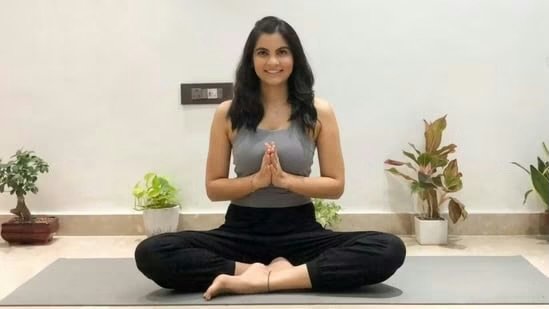
Riya Vyas, Founder of Unalome Yoga & Wellness Studio, Delhi, and Co-Founder of SOL Wellness, is introducing a powerful yogic practice to modern wellness enthusiasts – Sama Vritti Pranayama, also known as box-breathing. This centuries-old breathing method is gaining attention for its ability to ground the mind, soothe the nervous system, and create moments of calm in an otherwise chaotic world. What is Sama Vritti Pranayama? Sama Vritti Pranayama is a yogic breathing technique that focuses on equalizing the length of inhalation, breath retention, exhalation, and pause. The term comes from Sanskrit, where “sama” means equal and “vritti” refers to mental fluctuations. Together, it translates to “equal mental fluctuation breathing,” highlighting its primary goal of calming the mind and reducing inner noise. In an Instagram video posted on July 28, Riya Vyas explained how simple yet effective this method can be for those struggling with stress and anxiety. She emphasized that it requires only a few minutes of practice to feel grounded and at ease. Step-by-Step Guide to Practising Box-Breathing Riya demonstrated an easy routine for beginners to follow: Sit comfortably, keeping your spine straight but relaxed. Place your right palm on your belly and your left palm on your heart to feel your breath and stay present. Inhale gently for four counts, allowing your belly to rise as air fills your lungs. Hold your breath for another four counts, staying calm and steady. Exhale smoothly for four counts, releasing all tension. Pause again for four counts before starting the cycle over. This process is repeated for about five minutes, and the result is a noticeable shift toward relaxation and mental clarity. According to Riya, practising this regularly can bring long-term benefits for emotional and physical health. Why It Works Sama Vritti Pranayama helps regulate the breath in a controlled and rhythmic way, which directly impacts the body’s nervous system. The slow, even breathing pattern signals the parasympathetic nervous system to activate, reducing the body’s stress response. This means lowered heart rate, improved oxygen flow, and a calming effect on the brain. The technique also balances the flow of prana – the vital life force energy – through the body. Yogic traditions believe that balanced prana leads to harmony between mind and body, reducing anxiety and improving focus. Benefits of Regular Practice Reduces Stress and Anxiety – By controlling breathing patterns, this pranayama shifts the body from a state of stress to a state of calm. Improves Focus and Clarity – It helps quiet mental distractions, making it easier to concentrate. Enhances Sleep Quality – Practising before bedtime can relax the mind and body, promoting restful sleep. Supports Overall Well-Being – The technique enhances oxygen supply to the brain and vital organs, which improves energy levels and emotional stability. A Simple Addition to Daily Life One of the best aspects of Sama Vritti Pranayama is its simplicity. It requires no special equipment, no long training, and can be done anywhere – at home, at work, or even during a stressful commute. Just five minutes of focused practice can shift one’s mental state dramatically. Riya Vyas encourages incorporating it into morning routines for a calm start to the day or using it as a quick grounding exercise whenever anxiety or stress arises. Over time, the practice not only calms the nervous system but also builds resilience against daily challenges. Bringing Ancient Wisdom to Modern Wellness Yoga has always been about more than physical postures; it is a complete system for mental, emotional, and spiritual well-being. Sama Vritti Pranayama reminds us that ancient practices can provide immediate solutions to modern stress. With advocates like Riya Vyas sharing these techniques, more people are discovering how mindful breathing can create balance and peace in everyday life.

Sama Vritti Pranayama: The Ancient Technique Bringing Instant Calm Read More »

From the Outback to the Pacific: Brendan Cullen Conquers the Catalina Channel

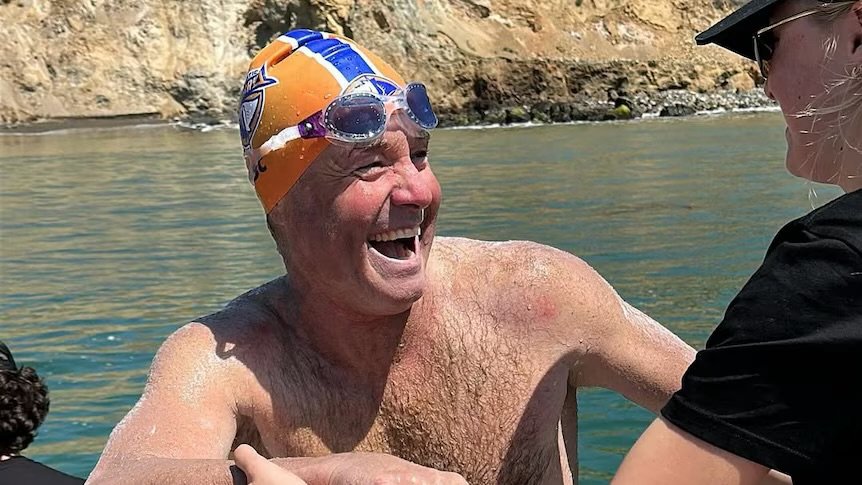
A Los Angeles beach is about as big a change in scenery from far west New South Wales as you can get. For Brendan Cullen, a grazier from Kars Station more than 1,000 kilometres west of Sydney, the shift from the dry, dusty outback to the shimmering Pacific coastline of Southern California was dramatic — but it didn’t daunt him. It was here, along the iconic Southern Californian coastline, that Cullen achieved yet another extraordinary sporting feat: swimming the 32.3-kilometre Catalina Channel from Santa Catalina Island to the US mainland. “It was bloody good to get it done,” Cullen told ABC Broken Hill, his quiet satisfaction revealing the culmination of months of relentless training and preparation. The Catalina Channel swim is far from a casual dip in the ocean. The 32.3-kilometre stretch of water is renowned among the open water swimming community for its demanding conditions, requiring both physical endurance and mental toughness. For Cullen, a seasoned swimmer with prior English Channel crossings under his belt, the challenge was as much about strategy as it was stamina. The majority of the over 13-hour swim was undertaken in the dark. This was a deliberate choice to avoid the notorious afternoon winds that can whip up along the channel. Cullen described the conditions as “magnificent,” with calm waters and temperatures hovering around 22 degrees Celsius — a far cry from the frigid waters of the English Channel, which can hover around 15 degrees or lower. “One of the things that I’ll never forget was the bioluminescence in the water,” he said. “Every time your hand hit the water, it would just flash like a rainbow. It was unbelievable. And every now and again, you could see the bottom of the ocean just flicker, and it was like the stars underneath.” The imagery paints a magical scene: a night swim under a sky mirrored by the shimmering ocean, where every stroke illuminated the water with ephemeral light. For Cullen, it was not just a physical challenge but an experience of natural wonder. Preparation for such an extraordinary endeavor is never simple, and Cullen’s training grounds couldn’t have been more different from the Pacific Ocean. Back in New South Wales, he trained at Menindee Lakes and the Broken Hill pool. While both locations are considerably devoid of waves, they were nonetheless sufficient to ready him for one of open water swimming’s most coveted accolades — the Triple Crown of Open Water Swimming, which includes the English Channel, Catalina Channel, and Manhattan Island Marathon Swim. Cullen’s journey towards the Triple Crown has been marked by impressive achievements. He first conquered the 33-kilometre English Channel solo in 2022, before taking it on again in 2023 as part of a relay team. These feats required months of preparation, resilience, and a capacity to adapt to the harsh conditions of open water. “The English Channel swims were far more challenging than the Catalina Channel,” Cullen explained. “Even though the US and English channels are of similar lengths, the water temperature in the English Channel made the swim significantly harder. It took me four hours longer to complete than Catalina. Even at night, the US waters were significantly warmer than the freezing stretch of water between England and France.” Training in the relatively tame waters of Menindee Lakes and a pool might not seem equivalent to the open ocean, yet Cullen’s preparation emphasized endurance, pacing, and mental fortitude — all essential for a successful channel swim. Support systems are critical in open water swimming, where physical and psychological challenges intersect. Cullen’s journey was no exception. His friend, coach, and mentor Mike Gregory accompanied him for the Catalina Channel swim. Initially planning to swim tandem with Cullen, Gregory made a remarkable sacrifice mid-swim. “He was getting in front of me and then dropping behind me, and he was cooling down, and he wasn’t quite sure whether he was going to be able to maintain that,” Cullen said. “So, he opted to get out and basically sacrificed his swim for mine. Which is a hell of a thing to do.” Left to swim solo, Cullen was supported by his family — his wife Jacinta and daughters Emma and Charli — who accompanied him in a boat. Their presence provided not only logistical support but also a vital emotional anchor. In open water swimming, especially long-distance challenges like Catalina, family and crew are more than spectators; they are lifelines. They monitor nutrition, hydration, and safety while providing motivation and reassurance, which can be as crucial as any physical training. While physical preparation is undeniably important, mental toughness defines success in channel swimming. Cullen’s ability to maintain focus, pace, and calm throughout the long night swim was integral to his achievement. Swimming for over 13 hours in the dark requires a balance of discipline and adaptability. Cullen described the experience as physically exhausting yet profoundly rewarding. “There’s a point where your body is fatigued, your arms are burning, and your mind starts questioning whether you can continue,” he said. “But there’s also a moment when you realize that the only way to finish is to keep moving, one stroke at a time.” This mindset is critical not just for channel swims but for endurance challenges of any kind. It reflects an understanding of pacing, mental resilience, and the importance of staying present in the moment — qualities that distinguish accomplished athletes from the merely determined. Beyond the challenge and achievement, Cullen’s Catalina Channel swim offered moments of rare beauty. The bioluminescent waters created an almost otherworldly spectacle, illuminating each stroke and turning the ocean into a living, shimmering tapestry. These experiences remind athletes and spectators alike that endurance sports are not just tests of strength, but opportunities to connect deeply with nature. “There’s something humbling about swimming through the ocean at night,” Cullen reflected. “You’re just a small part of something vast. It keeps you grounded, keeps you focused, and gives you perspective.” With the Catalina Channel conquered, Cullen is now firmly

From the Outback to the Pacific: Brendan Cullen Conquers the Catalina Channel Read More »

How I Overhauled My Exercise Routine to Prioritize Mental Health and Still Stay Strong

A few months ago, I faced some personal dilemmas that led to acute stress, forcing me to rethink almost every aspect of my life — including my exercise routine. For someone like me, whose days revolve around movement, sweat-slick high-intensity sessions, and constant training, suddenly feeling physically and mentally exhausted at the mere thought of exercise was jarring. My go-to workouts — CrossFit, Hyrox, and other high-impact routines — which once energized me, now felt impossible to even consider. As a personal trainer, I understand better than most that psychology and mindset are just as critical as physical movement. Yet, I found myself insisting, “I just need to push through this.” Inevitably, my body and mind refused to comply. This experience was humbling. It taught me not to fear change, even when it involves abandoning habits I’ve followed for years. I realized that listening to my body and acknowledging my mental state were essential to long-term wellness. So, I decided to overhaul my exercise regimen entirely. I canceled all commitments to high-impact training and made a deliberate switch to low-intensity, mindful movement. Instead of forcing my body into exhaustion, I began exploring gentle forms of exercise — walking, mobility work, stretching, yoga, and light resistance training. Even as a trainer, I needed to redefine what it meant to “stay strong.” My goal shifted from intensity to consistency and sustainability, focusing on movements that nurtured both my muscles and my mental health. Mobility and stretching became daily sessions to maintain joint health, improve posture, and prevent injuries without stress. Low-impact cardio such as brisk walks, cycling, or swimming provided cardiovascular benefits while reducing strain. Strength maintenance relied on moderate weights, resistance bands, or bodyweight exercises to retain muscle tone and functional strength. Mindful recovery, including meditation, breathing exercises, and intentional rest days, improved mental clarity and energy levels. The most profound change has been in my mindset. By giving myself permission to slow down, I’ve noticed a dramatic reduction in stress and anxiety, better sleep quality, and a renewed enthusiasm for movement. Fitness is no longer a pressure-filled obligation but a tool for empowerment and mental clarity. I’ve learned that listening to your body doesn’t make you weak. In fact, adapting to your current needs can improve your long-term resilience, helping you come back stronger when the time is right. For anyone feeling burnt out, stressed, or disconnected from their body, it’s important to adapt, prioritize mental wellness, and focus on consistency over intensity. Gentle, mindful movement can maintain strength, flexibility, and endurance while nurturing your mental health. Overhauling my routine has been liberating. I’ve learned to move without pressure, strengthen without strain, and prioritize mental wellness alongside physical fitness. Change can be the most powerful form of self-care.

How I Overhauled My Exercise Routine to Prioritize Mental Health and Still Stay Strong Read More »

‘Tagda Raho’: Reviving India’s Forgotten Strength Training Traditions

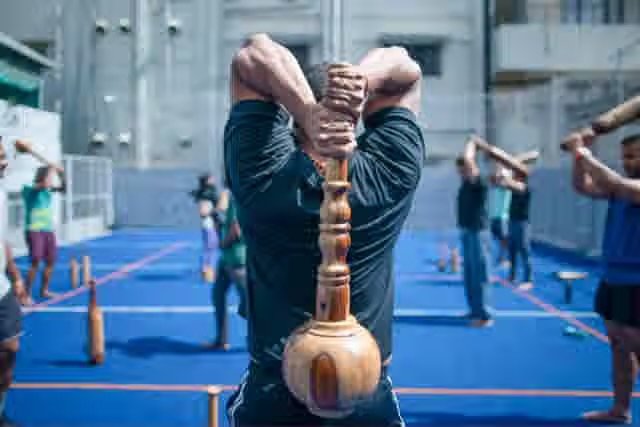
On a crisp morning in urban India, while millions head to air-conditioned gyms armed with protein shakes and fitness apps, Rishabh Malothra stands in a sunlit space holding what seems like an ancient weapon. A Hanuman Gada, a heavy wooden club, cuts through the air with practiced precision, engaging every muscle in his body. To the untrained eye, it looks like a relic from history, but in Malothra’s hands, it represents a radical revival of India’s forgotten strength-training traditions. Malothra’s journey began with a personal challenge that changed the course of his life. A decade ago, he was the epitome of millennial fitness ideals—participating in ultra-endurance events, cycling from Kashmir to Kanyakumari, and traversing the European continent. His life revolved around pushing the limits of physical performance. Then came the devastating injury that left his left arm 75 percent paralysed due to a condition called Brachial neuritis. Conventional rehabilitation methods offered little relief, leaving him searching for an alternative path to recovery. It was this search that led him to the ancient tools of Indian warriors. Malothra discovered a forgotten but profound system of strength training practiced for over a millennium. Three pillars became the foundation of his revival: the Hanuman Gada, the Mudgar, and the Santola. The Hanuman Gada, widely recognised, is a wooden club used to develop raw strength and endurance. The Mudgar, another club-like weapon, challenges coordination and builds explosive power. The Santola, known as the traditional Indian barbell, is used for conditioning and high-volume movements that target the arms and core. What began as a method to restore his arm soon evolved into a movement capturing the imagination of soldiers, athletes, cricketers, women, and youth across India. The combination of these ancient tools and modern training principles provided a unique approach that was both functional and deeply rooted in India’s martial history. Malothra’s rehabilitation was not just physical; it became a philosophical shift in how strength, resilience, and fitness could be approached. The training regime requires discipline and respect for the techniques passed down through centuries. Unlike conventional gym routines focused on isolated muscle groups, these traditional weapons demand full-body engagement, mental focus, and controlled movements. Each swing of the Hanuman Gada or Mudgar activates multiple muscle groups, enhances joint stability, and improves functional strength that can be applied in real-life movements. The Santola, with its high-volume exercises, conditions the body in a way that builds endurance, stability, and raw power simultaneously. The appeal of this approach lies not only in its effectiveness but also in its cultural significance. For many, training with gadas and mudgars is a reconnection with India’s martial heritage, offering both physical benefits and a sense of identity. Schools, fitness enthusiasts, and even special forces have begun incorporating these exercises into their routines, blending ancient wisdom with contemporary training methods. Malothra’s story also emphasizes resilience and reinvention. Facing the possibility of permanent disability, he turned to tradition rather than abandoning his passion for fitness. His experience highlights the potential of alternative approaches and the importance of exploring methods beyond modern, commercialized fitness trends. The rise of interest in these traditional practices shows that ancient techniques, when applied intelligently, can rival contemporary fitness methods and even surpass them in terms of functional strength and holistic conditioning. Today, the movement inspired by Malothra is more than a personal recovery story—it is a fitness revolution. The sight of people swinging gadas, lifting Santolas, and practicing Mudgar routines in parks and gyms across India symbolizes a blend of discipline, heritage, and modern fitness ambition. It’s a reminder that physical strength is not just about aesthetics or machines but about control, endurance, and the integration of mind and body. By revisiting the long-forgotten weapons of Indian warriors, Malothra has created a space where history meets fitness innovation. His work continues to inspire a new generation of athletes, fitness enthusiasts, and warriors of everyday life to embrace methods that challenge the body, cultivate resilience, and honour India’s rich martial traditions. The journey from injury to empowerment demonstrates that strength is not just physical—it is a mindset, cultivated through persistence, creativity, and respect for the wisdom of the past. In every swing, lift, and controlled movement, the message is clear: Tagda Raho—stay strong, stay resilient, and reclaim the power that lies within, guided by the ancient tools and techniques that once forged warriors.

‘Tagda Raho’: Reviving India’s Forgotten Strength Training Traditions Read More »

The Hidden Consequences of Sitting: How Modern Life Affects Your Hips

A large portion of modern life involves prolonged periods of sitting. Whether it’s commuting in a car, working long hours at a desk, or unwinding in front of the television, staying seated for extended stretches has significant effects on the body—particularly on the hips. Over time, this sedentary lifestyle can lead to tightness, stiffness, and reduced mobility in one of the most crucial areas for overall movement. I spoke with Elma Panagaki, a yoga instructor at Bay Club, to understand more about the effects of sitting on hip health and what can be done to counteract these issues. According to Panagaki, sitting affects the muscles surrounding the hips in a very specific way. “When we sit, the muscles at the front of our hips, like the hip flexors, get stuck in a shortened position, and the muscles at the back, like the glutes, pretty much shut off,” she explains. This imbalance leads to restricted movement, making it harder for the hips to function properly when you stand, walk, or exercise. Tight hips aren’t just an inconvenience—they can cause broader issues throughout the body. Panagaki emphasizes that even mild stiffness can result in discomfort, poor posture, and increase the risk of injury. The hips are central to almost every movement, so when they are limited, other parts of the body have to compensate, which can strain the lower back, knees, and ankles. Improving hip mobility isn’t just about feeling flexible; it’s about building a balance of stretch and strength that supports healthy movement. “Mobility is all about building both stretch and strength so you can move comfortably and feel great in your body,” says Panagaki. By dedicating just a few minutes to targeted exercises, individuals can restore range of motion, ease tension, and support overall body health. How to Test Your Hip Mobility Before starting any mobility routine, it’s helpful to understand where your hips may be restricted. One simple method is the hip hinge test. Stand with feet hip-width apart and gently bend forward at the hips while keeping your spine neutral. Notice whether your movement comes from your hips or your lower back. If your back rounds excessively or you feel stiffness in the hip area, it’s a clear indication that mobility work is needed. Another useful test is lying on your back and pulling one knee toward your chest while keeping the other leg flat. Difficulty in keeping the extended leg down signals tightness in the hip flexors or lower back muscles. Exercises to Improve Hip Mobility Panagaki recommends spending just one to two minutes on each exercise to make a noticeable difference. Consistency is key, and even a short daily routine can reduce stiffness over time. Here are some effective exercises: Hip Flexor Stretch Begin in a lunge position with one foot forward and the other leg extended back. Gently press your hips forward, feeling a stretch along the front of the rear leg. Hold for 30–60 seconds on each side to release tight hip flexors. Figure-Four Stretch Lie on your back with one ankle crossed over the opposite knee. Pull the uncrossed leg toward your chest until you feel a stretch in the glutes and outer hip of the crossed leg. This helps activate and release tight glutes. Seated Hip Rotations Sit on the edge of a chair with feet flat. Place one ankle over the opposite knee and gently press down on the crossed knee. This stretch improves rotation and mobility in the hip joint. Glute Bridges Lie on your back with knees bent and feet flat on the floor. Lift your hips toward the ceiling, squeezing the glutes at the top, then lower down. This strengthens the glutes and counteracts the shutting-off effect caused by prolonged sitting. Dynamic Lunges Step forward into a lunge and gently twist your torso toward the front leg. Return to standing and repeat on the other side. Dynamic lunges combine mobility and strength, enhancing hip flexibility while promoting functional movement. Benefits Beyond Flexibility Regularly practicing hip mobility exercises goes far beyond easing stiffness. Improved hip mobility can enhance posture, reduce lower back pain, and decrease the likelihood of injuries in everyday activities and workouts. Flexible hips also allow for more efficient movement, making running, squatting, and other functional movements easier and more effective. Even minor attention to hip health can have ripple effects throughout the body. By incorporating short, consistent routines into your daily schedule, it’s possible to reverse some of the negative consequences of a sedentary lifestyle. Whether it’s stretching at your desk, performing a few exercises before bed, or adding mobility work to your workout routine, the benefits of improving hip mobility are significant and long-lasting. Investing a few minutes each day to care for your hips is an investment in overall comfort, mobility, and long-term physical health. With consistent practice, tight hips can become a thing of the past, and your body will move more freely, feel stronger, and be less prone to injury.

The Hidden Consequences of Sitting: How Modern Life Affects Your Hips Read More »

Shopping Cart