Health

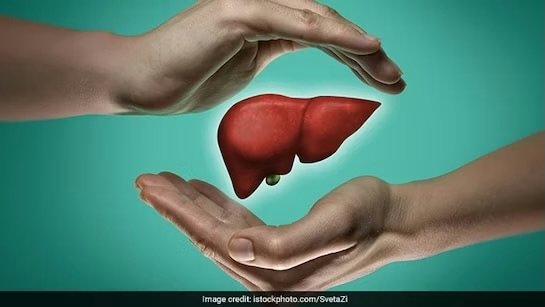
Hyderabad to Host International Conference on Liver Health and Transplants

Hyderabad is set to host a significant two-day international conference on August 30 and 31, focusing on one of the body’s most vital yet often overlooked organs – the liver. With over 500 essential functions, including detoxification, metabolism, and nutrient storage, the liver is critical to overall health. Yet, rising lifestyle-related illnesses have placed it at increasing risk, prompting global experts to converge in India to discuss groundbreaking advancements in liver care and transplantation. Rising Concerns Over Liver Diseases India is witnessing an alarming surge in liver-related illnesses, driven by poor diets, sedentary lifestyles, and alcohol use. Among these conditions, Non-Alcoholic Fatty Liver Disease (NAFLD) has emerged as a silent epidemic, affecting young adults at unprecedented rates. NAFLD occurs when fat accumulates in the liver despite little or no alcohol consumption. If untreated, it can progress to Non-Alcoholic Steatohepatitis (NASH), a severe form of liver inflammation that may lead to fibrosis, cirrhosis, and even liver cancer. Experts warn that early detection is crucial to prevent irreversible damage. Spotlight on Liver Transplant Innovations One of the major highlights of the conference will be liver transplantation, a life-saving procedure that has seen remarkable medical advancements in recent years. Pioneering surgeons and transplant specialists will present new protocols and success stories, showcasing how modern techniques are redefining surgical outcomes. Topics will include: Advanced surgical strategies for complex transplant cases. Managing patients with high-risk conditions such as kidney dysfunction, heart disease, or chronic infections. Innovations in donor-recipient matching, including blood group mismatches and improved compatibility techniques. Tumor resections and cutting-edge approaches to handling liver cancers and other complications. Multidisciplinary Approaches to Better Care The conference aims to promote a collaborative approach, bringing together hepatologists, transplant surgeons, general practitioners, and medical researchers. Sessions will focus not only on high-end surgical procedures but also on early diagnosis and preventive care, empowering doctors at all levels to recognise warning signs and intervene before conditions become critical. Impact Beyond Major Medical Centers While urban hospitals are equipped with advanced facilities, a significant number of patients in India live in smaller towns and rural areas where awareness and resources are limited. Insights from this conference are expected to guide general practitioners and smaller healthcare setups, improving referral systems and ensuring patients receive timely specialist care. Building a Future of Better Liver Health By combining expertise from across the globe, the Hyderabad conference will address the growing burden of liver disease, encourage preventive care, and explore the future of transplantation. With the number of NAFLD and NASH cases rising sharply, such initiatives are crucial in preventing what experts warn could become a full-blown public health crisis. The event underscores a critical message: protecting liver health requires awareness, early intervention, and innovation—a mission that this international conference aims to advance in India and beyond.

Hyderabad to Host International Conference on Liver Health and Transplants Read More »
Senior Stroll-a-Thon 2025 Promotes Active Living for Elderly in Mysuru

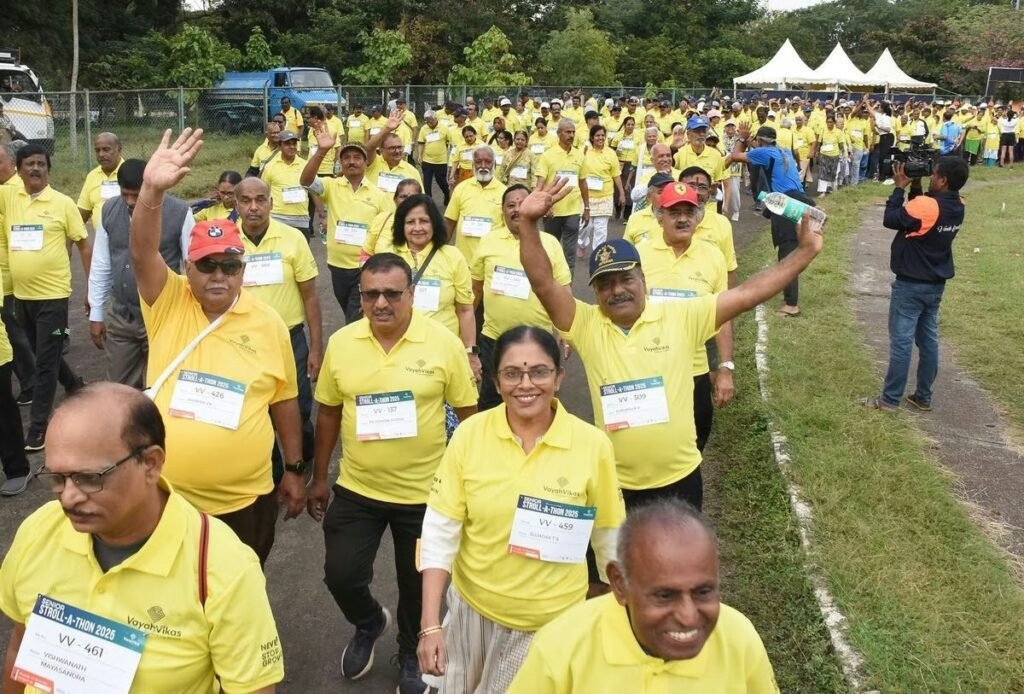
The ‘Senior Stroll-a-Thon 2025’, organised by Vayah Vikas, a non-profit organisation dedicated to empowering senior citizens, brought energy and inspiration to Mysuru with a unique focus on health, fitness, and social well-being for the elderly. Held at the Oval Grounds, opposite the University of Mysuru, the event aimed to encourage an active lifestyle while highlighting the importance of community engagement among senior citizens. A Walk Towards Health and Happiness The event commenced early in the morning, with a warm-up session designed to prepare participants for the stroll. Around 7:30 a.m., organisers guided the walkers through the planned route, which extended from the Oval Grounds to the court complex, followed by a U-turn back to the starting point. The participants then completed a final lap around the track, enjoying the refreshing morning atmosphere and the camaraderie of walking alongside fellow seniors. Organisers emphasised the importance of a steady pace, urging everyone to take their time and enjoy each step. “Enjoy your walk and the steps; walking is healthy, take care of your health,” they reminded participants, underlining the event’s goal of creating a positive and enjoyable experience rather than a competitive one. Encouraging Words from the University of Mysuru Addressing the gathering, N.K. Lokanath, Vice-Chancellor of the University of Mysuru, praised the initiative for its positive impact on the community. “It is heartening to see senior citizens participating in this event. This organisation is encouraging seniors to take part in early morning walks, which become even more enjoyable when done in company. This movement should grow, and senior citizens should adopt walking as a regular activity for better health,” he said. Promoting Fitness Amid Rising Lifestyle Diseases Health experts have long emphasised the role of physical activity in preventing chronic illnesses. In India, rising cases of diabetes, heart disease, and hypertension are closely linked to sedentary lifestyles, poor diet, long work hours, and lack of adequate rest. Events like the Senior Stroll-a-Thon 2025 serve as a reminder that incorporating simple activities, such as walking, can significantly improve physical and mental well-being. Inspiring a Movement for All Generations Beyond its immediate impact, the event carried a powerful message for both seniors and younger generations about the value of maintaining an active lifestyle. By blending fitness with social interaction, Vayah Vikas successfully demonstrated how health initiatives can foster stronger communities and healthier lives. The Senior Stroll-a-Thon 2025 was not just a walk; it was a step forward in creating a culture of wellness, proving that age is no barrier to staying active, healthy, and connected.

Senior Stroll-a-Thon 2025 Promotes Active Living for Elderly in Mysuru Read More »

Lee Corso’s Final GameDay Pick: Celebrating a Legendary Career

On Saturday, August 30, college football fans will witness a historic moment as Lee Corso makes his final pick on ESPN’s College GameDay. The pick will precede the monumental matchup between No. 1 Texas and No. 2 Ohio State, but the spotlight will be on Corso himself, marking the end of a nearly 40-year era that helped define the way millions watch college football. A Remarkable Journey in Football Born in 1935, Lee Corso’s journey into football began long before television cameras and cheering crowds. He played for Florida State University, showcasing the passion and understanding of the game that would later make him a broadcasting icon. Following his playing career, Corso transitioned into coaching, leading teams such as Louisville and Indiana, leaving his mark on the sidelines before stepping into a new chapter in sports broadcasting. In 1987, Corso became one of the original members of College GameDay. With his humor, bold predictions, and signature headgear picks, he turned a sports analysis show into an essential part of Saturday mornings for college football fans across the country. Overcoming Life-Threatening Challenges Despite his enduring enthusiasm for the sport, Corso’s journey has been filled with challenges. In May 2009, at the age of 73, he suffered a severe stroke at his Florida home. The medical emergency left him partially paralyzed and temporarily unable to speak, raising concerns about whether he could ever return to broadcasting. Remarkably, Corso fought his way back, making an emotional return to College GameDay for the 2009 season opener. Fans welcomed him with overwhelming support, viewing his comeback as a symbol of determination and love for the game. A Bond Beyond Broadcasting Following his stroke, Corso adapted to the new demands of live television by scripting his talking points and relying on support from his colleagues. His relationship with fellow analyst Kirk Herbstreit, who joined the show in 1995, grew even stronger during this time. Herbstreit often stepped in to prompt Corso during broadcasts, creating a dynamic partnership built on trust, respect, and friendship. Continued Dedication Despite Health Setbacks In recent years, Corso has faced additional health-related absences, missing five weeks of the 2022 season and contributing remotely during the COVID-19 pandemic to protect his well-being. Despite these obstacles, his appearances remained a highlight for fans, demonstrating his unwavering commitment to the show and its loyal audience. An Emotional Farewell As Corso prepares to don his final headgear and make one last pick, the moment is more than a tradition—it is a celebration of his nearly four-decade legacy. From his days as a coach and player to his role as one of sports television’s most beloved figures, Corso has become synonymous with college football culture. His departure marks the end of an era, but his influence on the game—and the joy he brought to countless Saturdays—will endure for years to come. Lee Corso is not just signing off; he is leaving behind a legacy of passion, resilience, and a unique connection with fans that has helped shape the heart of college football.

Lee Corso’s Final GameDay Pick: Celebrating a Legendary Career Read More »

CDC Issues Level 2 Travel Warning Amid Chikungunya Outbreak in China

The Centers for Disease Control and Prevention (CDC) has issued a Level 2 travel warning for visitors to China, urging travellers to “practice enhanced precautions” as cases of chikungunya continue to rise. According to the New York Post, Foshan city has been identified as the epicentre, with containment efforts reminiscent of early COVID-era measures. Rising Concerns Over the Outbreak Thousands of people in China have been infected, highlighting the growing threat of this mosquito-borne illness. While chikungunya is rarely fatal, it can lead to severe joint pain lasting for weeks, months, or even years, significantly impacting quality of life. How Chikungunya Spreads The disease is transmitted through the bite of infected Aedes mosquitoes, which thrive in warm and humid climates. Unlike many contagious illnesses, chikungunya is not spread through person-to-person contact, making mosquito control essential for prevention. CDC Guidelines for Travellers To reduce the risk of infection, the CDC advises travellers to: Use EPA-registered insect repellents for effective protection. Wear long-sleeved clothing to minimise skin exposure. Avoid mosquito breeding sites, such as areas with standing water. Stay in screened or air-conditioned accommodations to reduce mosquito contact. Pregnant women, especially those near delivery, are strongly advised to reconsider travel due to the rare risk of transmission during childbirth. Vaccine Availability and Global Impact Two vaccines for chikungunya have recently been approved in the United States, offering new preventive options for high-risk travellers. Globally, an estimated 35 million people contract chikungunya each year, with approximately 3,700 annual deaths. In the US, 46 travel-related cases have been reported so far in 2025, down from nearly 200 in 2024. No locally transmitted cases have been documented since 2019, according to CDC records. High-Risk Groups Older adults, newborns, and individuals with chronic health conditions remain at greater risk of severe or prolonged complications from chikungunya. Travellers are urged to monitor health advisories and take preventive measures seriously to stay safe. As global travel continues to rise, the CDC’s warning serves as a reminder of the importance of timely precautions and awareness of emerging health threats, especially in regions prone to mosquito-borne diseases.

CDC Issues Level 2 Travel Warning Amid Chikungunya Outbreak in China Read More »

The Hidden Dangers of Late-Night Snacking: Why Timing Matters More Than You Think

Snacking is often seen as a harmless way to curb hunger between meals. Many of us reach for a handful of nuts, a piece of fruit, or even a protein bar thinking it’s a healthy choice. But did you know that the time of day you snack can be just as important as what you eat? According to Professor Sarah Berry, a leading expert in nutritional sciences at King’s College London and chief scientist at ZOE, late-night snacking poses serious health risks—even if the food is considered healthy. Why Late-Night Snacking Is Risky Professor Berry highlights that around 30% of people snack after 9 PM, a habit that can lead to unfavourable health outcomes. Research shows that eating late at night is linked to: Adiposity (belly fat accumulation) – Late-night snacks are more likely to be stored as fat, particularly around the abdominal area. Higher inflammation levels – Nighttime eating disrupts the body’s natural repair processes, contributing to chronic inflammation. Poor lipid and cholesterol levels – Metabolism slows in the evening, making it harder for the body to process fats efficiently. Healthy Snacks Are Not an Exception Surprisingly, even so-called “healthy snacks” aren’t safe when consumed late at night. Professor Berry explains that the body’s ability to metabolise food changes depending on the time of day, meaning late-night eating can still have a negative effect regardless of what is eaten. The Role of Chrono Nutrition A growing field known as chrono nutrition focuses on the timing of meals and its impact on metabolism. Every cell in the body follows a natural rhythm, often referred to as the body clock. Eating in sync with this clock helps optimise digestion, energy use, and nutrient absorption. When we eat outside of these natural cycles—like late at night—the body processes food differently, leading to potential long-term health issues. When Is the Best Time to Snack? Mid-morning or afternoon – Ideal times to curb hunger without disrupting metabolism. Evening snacks – Should be light and consumed at least two to three hours before bedtime. After 9 PM – Best to avoid completely for optimal metabolic health. Late-night snacking may seem harmless, but research shows it could quietly contribute to weight gain, poor cholesterol levels, and higher inflammation. While healthy eating is important, eating at the right time is equally critical for maintaining long-term health.

The Hidden Dangers of Late-Night Snacking: Why Timing Matters More Than You Think Read More »

Gemma Atkinson Shares Her Early Morning Fitness Routine for Peak Energy and Discipline

Balancing a thriving career, family life, and personal wellness is no small feat, but Gemma Atkinson makes it look effortless. When she’s not parenting her two children, six-year-old Mia and two-year-old Thiago, she’s busy hosting on Hits Radio, running her health and beauty brand Gem & Tonic, and co-hosting the Women’s Health podcast “Just As Well” with Editor-in-Chief Claire Sanderson. With such a packed schedule, Gemma relies on one key principle to stay fit: efficiency. Why Early Morning Workouts Work for Gemma For Gemma, the only way to guarantee her workouts happen is to get them done before the day officially begins. “I need to be in and out before the kids wake up,” she says. “So it’s back to 4.30am wake-ups and 5am sessions. But in just four days, my body adjusted, and this morning I actually woke up naturally two minutes before my alarm.” This level of commitment might sound intense, but for Gemma, it’s the only way to fit in consistent training while managing her many responsibilities. The Power of Routine and Discipline Gemma admits that training later in the day simply doesn’t work for her. “I don’t like training past 11am. I can’t focus, and I’m chasing my tail with everything else I have to do. I have much more energy and time for everything else if I’ve moved in the morning. I’m a sucker for routine, so it’s perfect both mentally and physically.” Her focus on discipline over motivation reflects an athlete’s mindset. She acknowledges that some mornings, especially during dark winter months, getting up isn’t easy. Yet, she emphasizes that progress only comes when you push past the mental resistance. Why Morning Workouts Boost Productivity and Well-Being Training early doesn’t just benefit Gemma’s fitness—it improves her entire day. By getting her workout done first thing, she experiences: Increased energy levels for work and parenting. Improved mental focus for her demanding schedule. A sense of accomplishment before the day has even started. Stronger discipline, which translates into other areas of her life. “In order to grow and feel my best, I have to have discipline,” Gemma explains. “Because motivation isn’t always there. You have to get past that voice in your head and get it done. It’s the only way you’ll make progress—and it’s always worth it.” A Lesson in Consistency and Self-Care Gemma Atkinson’s approach to fitness is a reminder that success isn’t about finding more hours in the day—it’s about making the hours you have count. By prioritizing health first thing in the morning, she ensures that her demanding life doesn’t derail her personal well-being. Her story proves that with structure, routine, and determination, it’s possible to balance career, family, and fitness—while staying strong both physically and mentally.

Gemma Atkinson Shares Her Early Morning Fitness Routine for Peak Energy and Discipline Read More »

Shopping Cart